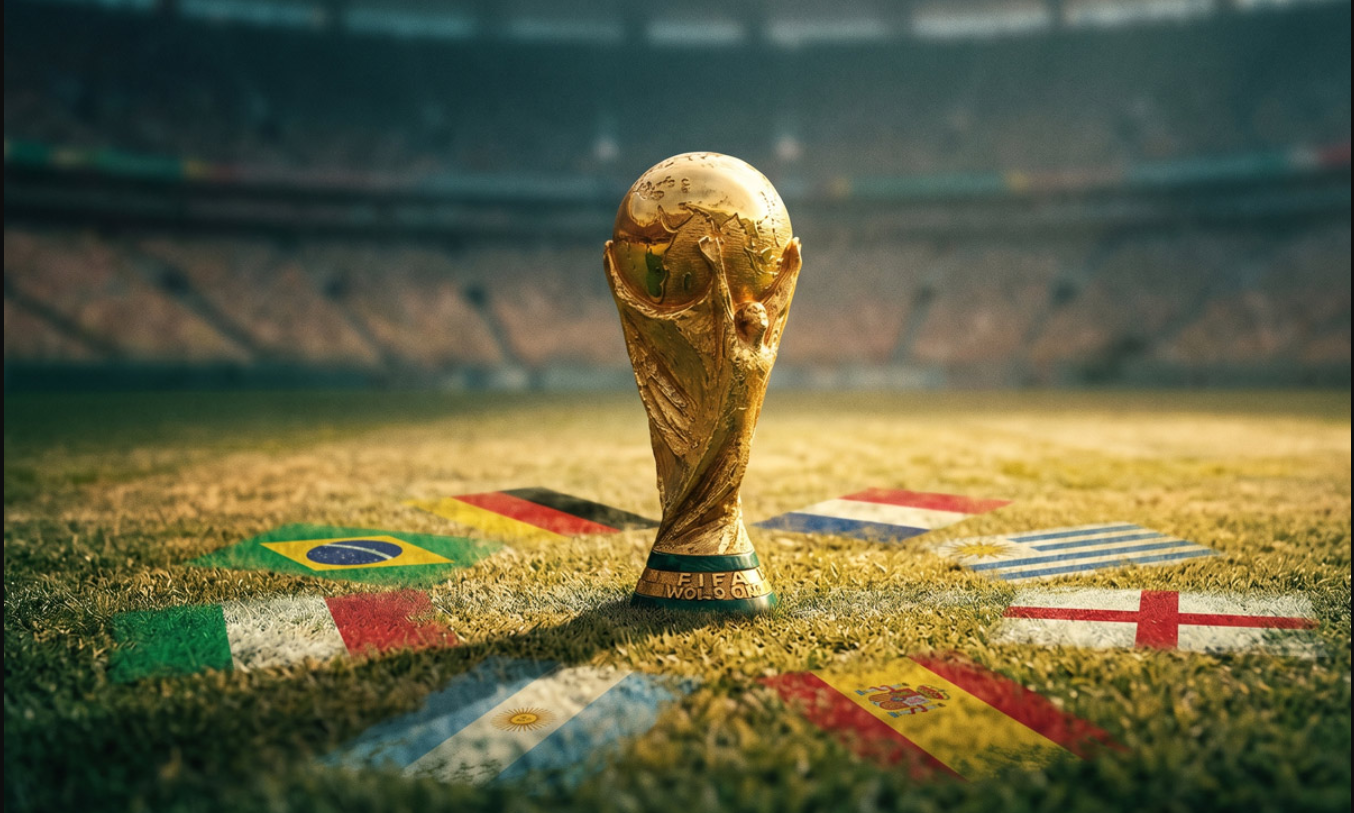
More Than a Match – The World Cup
The world cup is only a week away and people are getting ready for it. Families and friends are discussing which games to watch, when to watch them, and where. As the excitement builds up for each game, so does the possibility of heartbreak when the country they are supporting loses. This very strong emotional attachment to football isn’t new, so how come people are so emotionally invested?
To explore this, I interviewed a few people about their “football personality”, asking each of them the same four questions.
Name: Tait
Supports: Scotland
Thinks will win: Scotland
Reaction when their team loses: will start to cry most likely
Why winning feels like an achievement: We went through a hard qualification process
Summary: Tait used ‘we’ as if he himself is in the team and he will have a strong emotional response
Name: Stan
Supports: England
Thinks will win: France
Reaction when their team loses: would be very annoyed
Why winning feels like an achievement: Because we have worked hard and ‘we’ve made it harder for ourselves by not picking as many big names’
Summary: Does think England has a chance if the plan works and the fact that he said ‘we’ve’ shows that he also has a personal attachment to the team.
Name: Jake
Supports: England
Thinks will win: England
Reaction when their team loses: Gutted, would probably cry
Why winning feels like an achievement: ‘it feels like an achievement because I think we deserve it’
Summary: Jake said he is secretly hoping for some major upsets and this combined with his answers shows he enjoys the emotional aspect to football.
Name: Bella
Supports: England
Thinks will win: Not England
Reaction when their team loses: Claims she would message Jude Bellingham and tell him it’s okay to lose sometimes and offer a shoulder to cry on
Why winning feels like an achievement: it gives you accomplishment and happiness
Summary: despite her humorous approach to football Bella still demonstrates that there is a social expectation that people will be gutted if they don’t win and overly excited when they do.
I think it’s clear to see that they all get emotionally invested, even if they react in completely different ways. Some people get frustrated, some go silent, and some act like the world has ended. Whether they shout, sulk, celebrate, or hide behind a pillow, the reactions are intense. It shows that football isn’t just something they watch, it’s something they feel, and sometimes more strongly than they expect.
Watching football at home is an event that’s always full of high emotions. Everything feels bigger when you’re watching with other people: the reactions, the stress, the shouting, all of it. Even people who don’t normally care about football suddenly get dragged into the chaos because it’s one of the only times millions of people feel the exact same thing at the exact same moment. That’s why stadiums feel electric and why living rooms start to feel like mini versions of them. There’s this weird mix of stress and excitement that takes over, and before you know it, everyone’s claiming “we won” even though none of us went anywhere near the pitch. It turns an ordinary evening into a shared emotional experience.
That’s the heart of it – it brings people together. People of different ages, religions, ethnicities, beliefs, and everything in between. For ninety minutes, none of that matters. There’s a kind of unity that you don’t get anywhere else. People care about it so much because it gives them a reason to feel something, to celebrate together, to stress together, and to be part of a community. Football is more than just a sport – it’s a shared experience that connects people in the most unexpected ways.















Post Comment
You must be logged in to post a comment.