Summer Holidays! How to avoid Summer regret… – Holly L
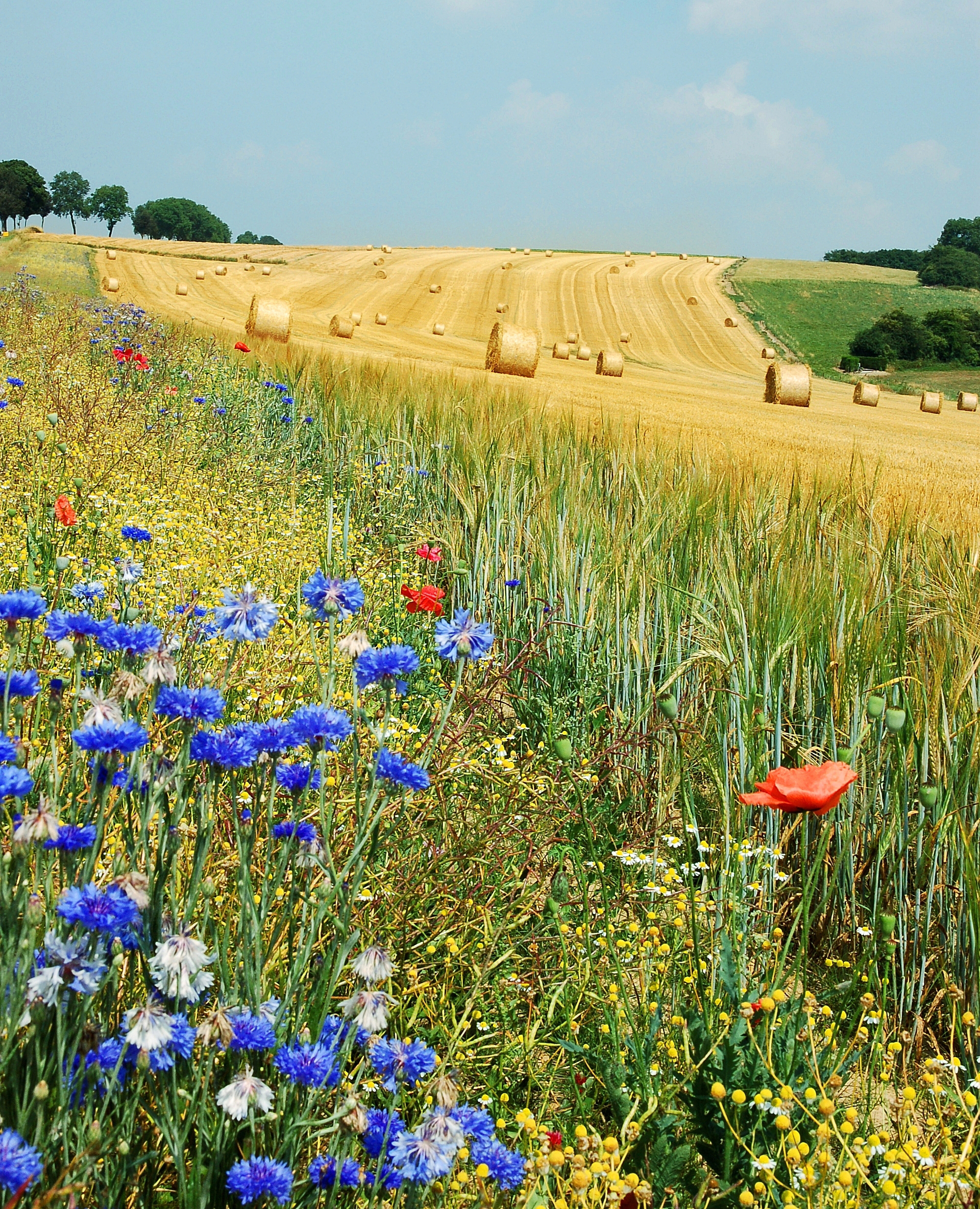
As Divisons and Chapel ends on Speech Day pupils across the school prepare for the annual migration away from boarding and day houses and into the wild. Some will spend the summer travelling, some will take up new hobbies, and others will dedicate themselves to the noble pursuit of sleeping until lunchtime.
Every year, however, students fact the same question: How productive should I be over summer?
The answer is simple: productive enough to grow and develop, but not so productive that you holiday starts to feel like an unpaid internship.
Years 7-9: Try not to let your brain enter hibernation
For the younger pupil, summer is all about balance. After a packed year, it is very important to relax, but it is worth keeping your mind active (sorry).
Many students begin the holidays with ambitious plans to become fluent in French, master the violin, publish a bestselling novel and win Wimbledon. By mid July however, these plans have usually been replaced by a daily routine of snacks and scrolling, (don’t worry we have all been there).
Instead try and set yourself one or two realistic goals. Read a few books, learn to cook (not toast), take up a sport, try photography, art or music. The aim is not to become an expert overnight but simply to discover something you enjoy.
Most importantly, do try and go outside occasionally. Despite what some may believe, fresh air is not dangerous!
Years 10 and 12: The ‘Productive Summer’
These students occupy a unique position. You are close enough to important exams that doing absolutely nothing may not be ideal, but young enough that spending every waking moment studying would be completely unnecessary.
The secret is consistency!
A few hours each week reviewing subject, reading around you courses or developing academic interests can make a huge difference when September arrives. Universities and sixth forms value curiosity, not just grades.
Summer is also the perfect time to gain experience! Volunteer, find work experience, attend courses, or simply explore areas that interest you. Learning how to write personal statements, manage your time and communicate professionally is often just as valuable as revising another set of notes.
However, beware of the modern obsession with productivity. Social media may convince you that everyone else is waking up at 5 a.m, working out twice a day and starting successful businesses from their rooms. In reality, many of them are probably watching Netflix and claiming to be networking.
Years 11 and 13: Congratulations – you survived
The summer for you serves a special purpose: recovery.
After months of revision, exams and being told that these exams are ‘extremely important’, the first thing you must do is rest. Seriously. You earned it.
Year 11 students should enjoy the freedom before 6th form begins. Read widely, pursue hobbies, spend time with friends and explore your future subjects if they genuinely interest you. There is no need to spend August colour coding A level folders.
Year 13, meanwhile, stand on the edge of a major life transition. Whether university, apprenticeships or employment lie ahead, this summer provides an opportunity to develop genuinely useful life skills. Learn how to budget, cook, use a washing machine without creating an international incident.
Many students can analyse Shakespeare, solve equation and explain all the causes of WW1, yet somehow remain incapable of preparing a meal more complex than instant noodles. This is the time to change that.
The Final Verdict
Productivity does not mean filling every minute of every day with work. A successful summer is not measured by the number of certificated, online courses, or colour coded planners you accumulate.
Instead, it is about returning in September as a more relaxed, curious and capable version of yourself. Read a little. Learn a little. Try something new. Spend time with friends and family. Go outside. REST!
And if anyone claims they spent the entire summer ‘maximising efficiency and optimising personal growth’, remember that this often is a sophisticated way of saying they sat near a laptop for 8 weeks.
Enjoy the Summer Holidays!














Post Comment
You must be logged in to post a comment.