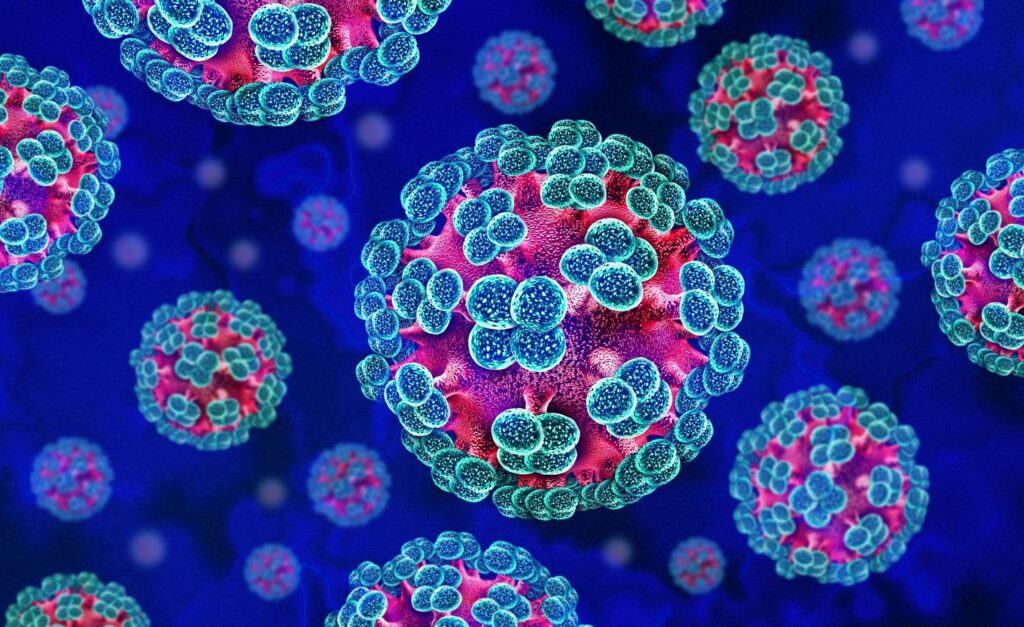
Hantavirus: Rare Disease Back in the Headlines – Holly L
Hantavirus is a very rare but serious disease. Many people are concerned about the spread of this virus due to the recent found cases, but what many don’t know is that usually Hantavirus cannot actually spread human to human. The small number of international cases this year, including the cuise ship passengers that are covering the news, have been truly caused by rodents carrying the disease and passing it off onto humans. Whilst Health authorities have emphasised the severity of this illness, they have also displayed that the risk to public health remains low.
So, what actually is Hantavirus?
Hantavirus isn’t actually one virus, it is a family of viruses found all around the globe and primarily in wild rodents such as rats. Depending on the strain, symptoms in humans can be very sever to the lungs or kidneys. The strains that affect the kidneys are usually found in Europe and Asia, whereas the strains found in North and South America tend to affect the lungs. Hantavirus Pulmonary Syndrome can be caused by this second lot of strains, this is syndrome is life-threatening.
The spread of Hantavirus:
This virus is mainly spread by breathing in tiny particles from infected rodent urine, droppings, or saliva. This can occur when cleaning spaces where rodents may have lives, such as sheds or barns. Hantavirus can become airborne when contaminated areas are disturbed, this is what can make inhalation possible. Unlike COVID-19, Hantavirus does not usually spread from person to person. But, there is one extremely rare strain, Andes virus, that exists that has been linked to limited person to person transmission in very close contact situations. Hence why recent cases have been investigated so carefully.
Symptoms and Treatment:
Symptoms usually begin with flu like signs, a fever, tiredness, muscle aches and headaches. As the illness progresses, more serious symptoms may occur in some patients, breathing difficulties caused by build up of fluid in the lungs. This is when urgent hospital care is required. Symptoms may occur anywhere from one to eight weeks after exposure, thus it is very difficult to identify early. Currently, there is no specific cure or vaccine for hantavirus, so treatment focuses on supportive hospital care while the body fights the infection.
The Recent News Cases:
In early May 2026, health authorities confirmed a small cluster of Hantavirus cases linked to an expedition cruise ship that had travelled from South America. Several of the passengers from different countries tested positives, and sadly a small number of deaths were reported. The World Health Organisation and national health agencies, including the UK Health Security Agency, responded with contact tracing, testing and monitoring of those involved. Officials have emphasised that this outbreak was unusual and carefully contained. According to the WHO, the overall risk to the general public remains low, and hantavirus is not expected to spread widely.
Prevention and Awareness:
Seeing as there is no existing vaccine at this point, prevention is especially important. Simple steps like avoiding contact with rodents, keeping spaces clean, safely ventilating enclosed areas before cleaning and storing food securely ca greatly reduce the risk of infection.
Hantavirus is a very rare disease, but it can be serious. It is a zoonotic disease, thus simple prevention steps can keep us safe. The recent cases show us how fast public health responses are, by staying informed people can stay safe while the health authorities continue to monitor and manage risks effectively.
















Post Comment
You must be logged in to post a comment.