Copied or Inspired? – Jess Emmins
– The Legal Lens –
Have you ever seen an outfit on Pinterest.
Saved it.
Then bought something similar?
Likely yes, or maybe if you don’t use Pinterest, take an insight into this principle.
You’ve seen a recipe on TikTok and recreated the recipe. Perhaps you’ve seen an influencers post, a trend, which you then copied, and posted yourself.
Without realising, the chances are, you’ve borrowed an idea without thinking twice about it. But nobody calls that copying.
We call it inspiration.
So, the question is, where exactly does copying begin and inspiration end?
Fast fashion is essentially the production of garments inspired by runway looks and brands aesthetics, on a mass scale. Even the world’s most successful designers rarely create in complete isolation.
This raises concern, regarding the legalities.
Inspirationally copying is modernly referred to as producing a ‘dupe’, although it should be noted that there lies an unclear boundary because ‘dupes’ are considered varied to the original item, comparatively with copyrighting it’s clear that it is an illegal act of using the third parties’ brand without permission.
To elaborate, Vogue provides a perspective from Isabel Anton, director of the Vogue Diploma in Fashion Law, she states:
“its complex you have to look at the copy and the original – to determine if it is legal from a trademark perspective or under the framework of unfair competition.”
In a criticised manner you could argue that Isabel’s position could portray a biased view as her perspective comes from her experience, whilst that may be true her perspective still provides insight into the frequent involvement of IP law in the fashion industry, suggesting that imitation can be approved unless the original product holds exclusive rights or protections.
To specify protections may include registering industrial designs or replying upon copyrights thus it’s clear that without IP law in place many designers would fall into a well of entrapment, unable to protect their own designs or original products.
So…
Luxury brands spend months designing collections, only for similar styles to appear on the high street weeks later. Retailers such as Shein have frequently been criticised for releasing products which closely resemble creations from both boutique designers and luxury fashion houses.
Here’s the surprising part: many of these products are fully legal.
But why?
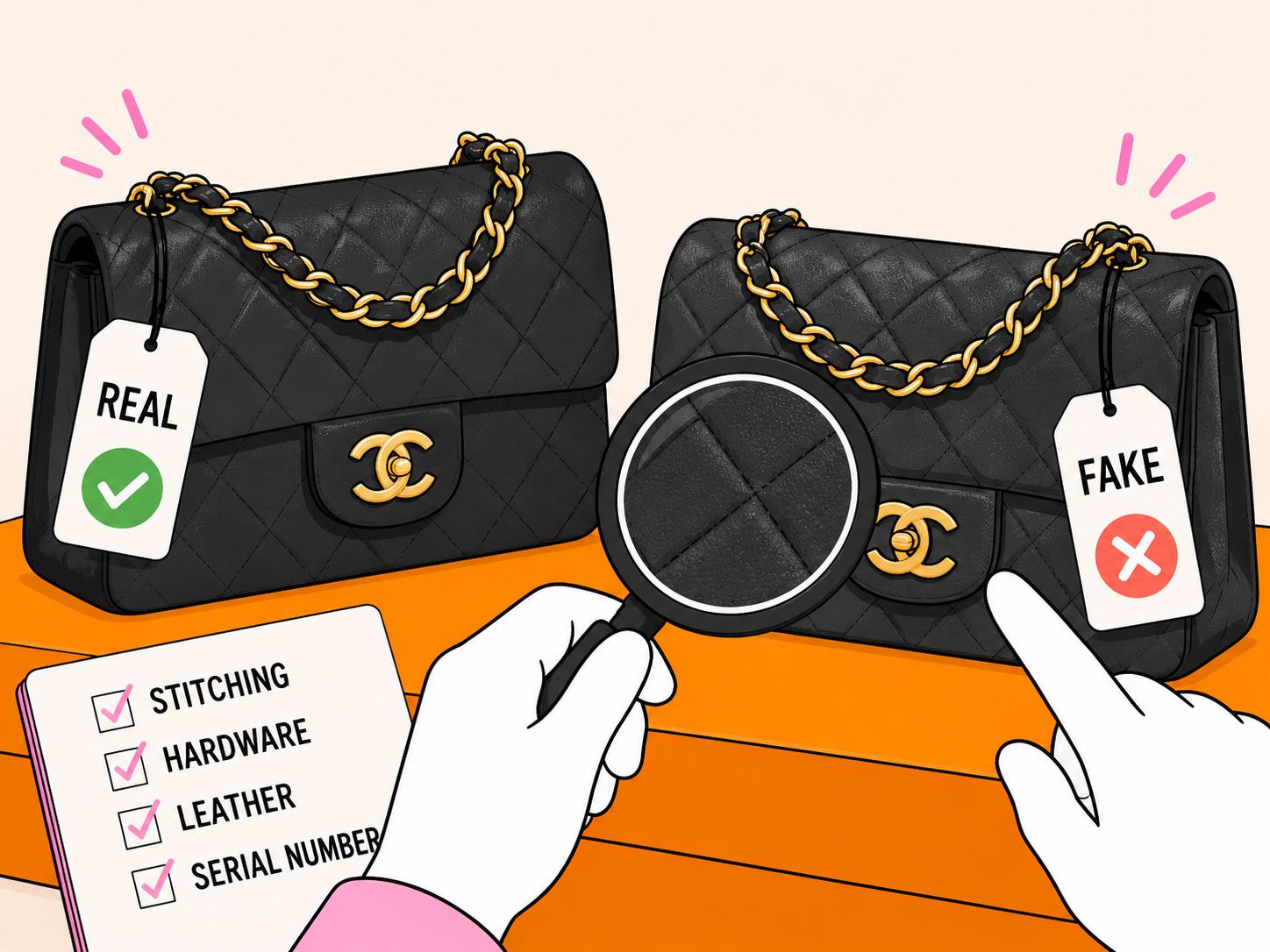
A counterfeit handbag displaying a designer logo is an obvious infringement. A “dupe”, however, sits in a much greyer area.
In other words, imitation is not necessarily illegal.
Yet others argue that fashion has always relied on inspiration. After all, trends continuously evolve from previous trends.
Therefore, the law attempts to strike a balance: protecting genuine creativity whilst still allowing new creators to build upon existing ideas.
The Verdict
Perhaps originality is not about creating something completely new.
Perhaps originality is about transforming inspiration into a design of your own.
The puzzling question isn’t whether we’ve been inspired.
It’s whether we’ve gone too far, when will the line become clear?
Keep your eyes pealed for more features of ‘The Legal Lens’.














Post Comment
You must be logged in to post a comment.