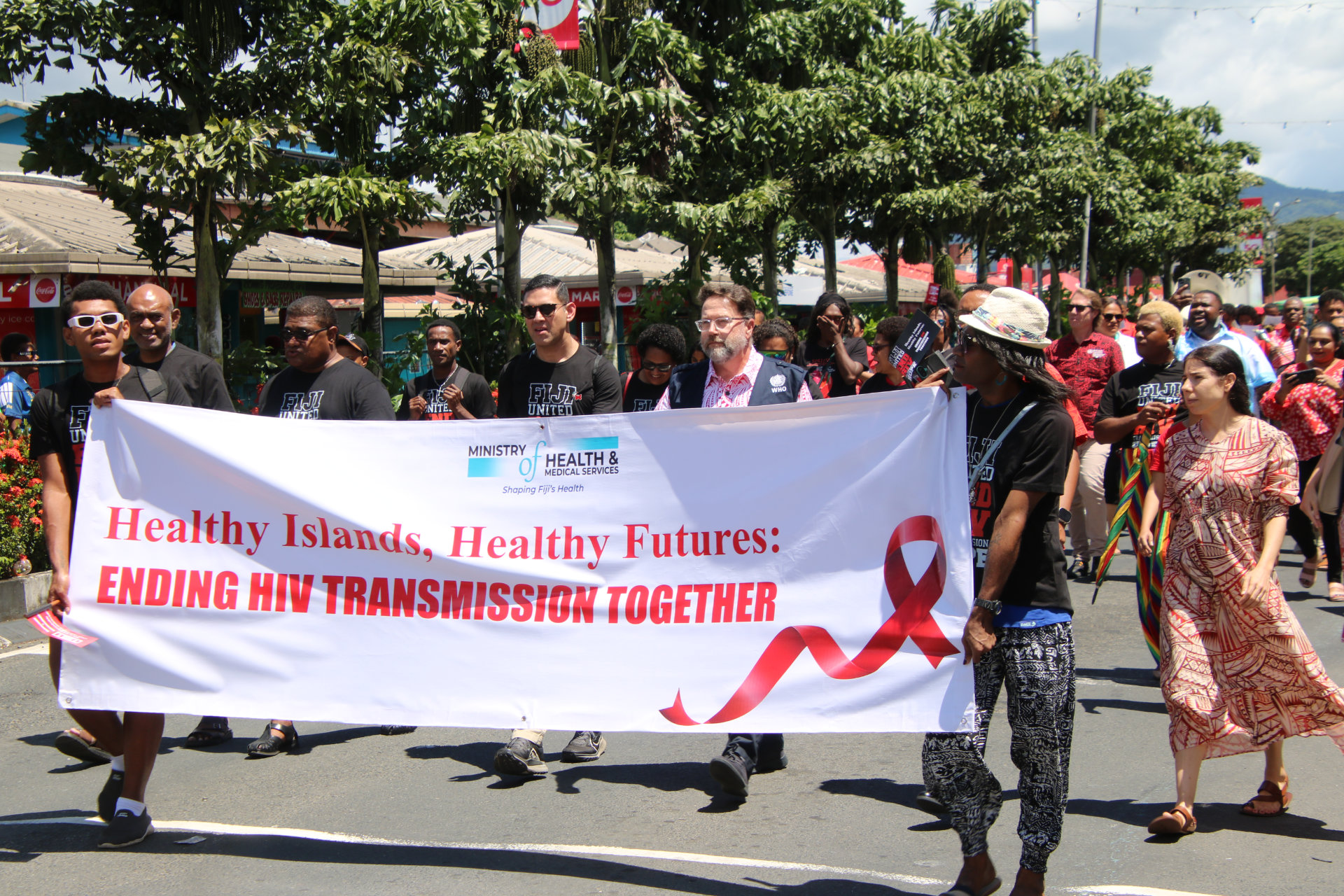
National emergency in Fiji- the epidemic
This month Fiji has declared a national emergency in response to the rapidly growing HIV epidemic . HIV, which stands for Human Immunodeficiency Virus, attacks the body’s immune system and weakens its ability to fight infections. As a result people that are HIV positive are more likely to get very ill from common infection such as a cold. Common early symptoms include fever, sore throat, rash, swollen glands and fatigue. If left untreated patients can progress to AIDs (Acquired Immunodeficiency syndrome) which is the most advanced stage of HIV.
The Fijian government is now working to expand testing programmes, increasing access to treatments and introducing a national syringe and needle programme. In recent years, rises in drug usage and unsafe sexual practice have been factors increasing HIV cases alongside the dangerous practice known as”bluetoothing” or “hotspotting” drugs. This is where people inject the blood of intoxicated people into another drug user, which is an extremely dangerous practice with severely high risks. These are the main causes driving the surge in cases, work to educate and reduce the stigma around HIV will be essential next steps forward.
Currently around 1 in 60 adults in Fiji are living with HIV when 5 years ago the statistics read 1 in 167 adults. This significant increase demonstrates how numbers in cases have sky-rocketed and almost tripled. There must be change. Experts speculate that it will take more than 5 years for the country to recover from the empidemic. On a global level, HIV affects people everywhere and this case acts as a reminder that HIV is still a global health challenge.















Post Comment
You must be logged in to post a comment.