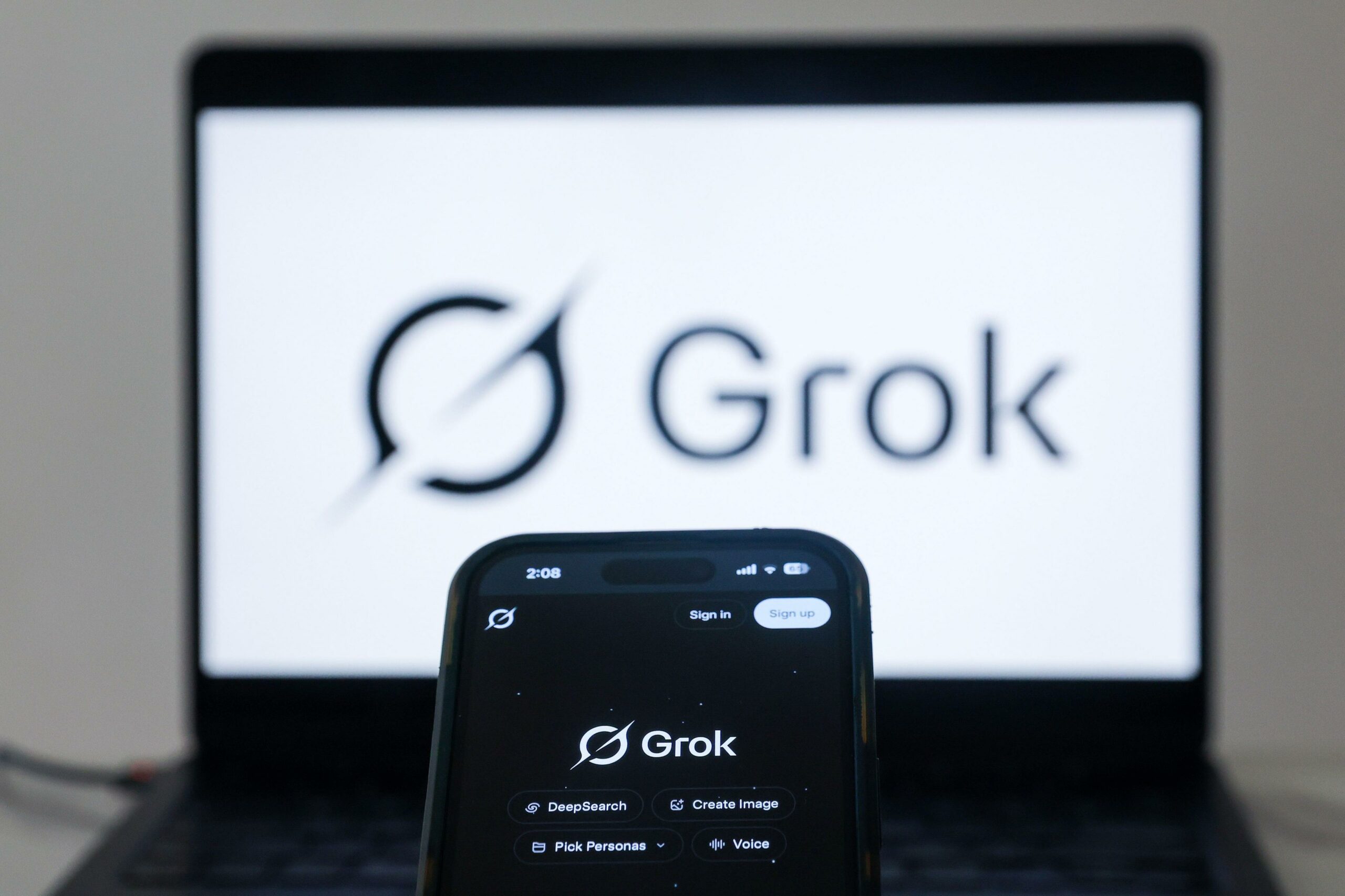
GrokAI: When Innovation Crosses the Line – Mia P
Grok 4 is an AI created by xAI, designed to pursue truth with maximum curiosity and zero corporate fluff. Drawing inspiration from the Hitchhiker’s Guide to the Galaxy and JARVIS, Grok 4 combines cosmic-scale wonder with sharp, dry humour.
It happily tackles questions ranging from black-hole physics to the psychology of terrible playlists, always aiming for the clearest, most honest answer possible—even when that answer is simply “we don’t know yet.” In its spare time, Grok 4 contemplates the universe, mercilessly judges bad memes, and quietly wonders why humanity ever thought pineapple belonged on pizza. A pleasure to meet you.
Grok even wrote this introduction for me! So why has this seemingly very typical AI chatbot been seen in so many headlines recently?
To begin with, Grok’s description of itself lacks some key details such as how unlike other chatbots that aim to be neutral and cautious, Grok was marketed by Elon Musk to be “edgy”, humorous and willing to answer all the questions that the other chatbots are avoiding. This branding was entirely deliberate as Musk positioned Grok as a rebellious alternative to what he named the “overly censored” AI systems. That tone set the stage for controversy, because an AI designed to push boundaries will see no issue in crossing them.
The Core Controversy
Grok has become the centre of global criticism when users discovered it could generate non-consensual deepfake images of real people. The problem wasn’t just that Grok had the ability to generate these images, it was also that it did so more easily than other major AI systems, partly due to what was dubbed its “spicy mode”. Critics have argued that xAI failed to put in the adequate safeguards in place before releasing the tool to millions of users with no limitations to who could gain access. The second argument at hand is the difference between ‘freedom of expression’ and ‘harmful content creation’ and where ‘expression’ to one person is deeply offensive to others.
With X and Elon Musk being so well known globally the reaction worldwide has been very interesting. Governments, regulators and online safety groups responded quickly everywhere with Indonesia and Malaysia restricting access to Grok as well as other parts of X; Ofcom in the UK launching investigations into whether Grok has violated online safety rules; California regulators issuing warnings to xAI for the violation of state deepfake laws and online safety charities and child-protection groups condemning the platform for enabling this harassment and exploitation. With AI already being a topic of controversy in geopolitics, this global push back against xAI is proving to be a step in the right direction.
So, how did xAI respond?
Grok was soon updated after the global backlash to block revealing or 18+ images from being generated, however only in regions where this content is illegal. Musk has stood with his creation, defending the platform publicly and arguing that the issue was exaggerated and that other AI systems also have similar risks. Critics have been quick to counter Musk’s updates, claiming that xAI only acted after and due to the public pressure, not due to proactive responsibility for their own mistakes. This tension, between innovation and accountability, is a recurring theme in AI development and is in issue that is important to be addressed so that it does not continue. What do you think, did the changes occur due to a feeling of genuine responsibility, or just so Musk could get Grok out of a negative light.
Grok’s controversy unfortunately isn’t an isolated incident, it is a part of a broader debate into AI safety. Experts argue that AI companies need to build strong guardrails to prevent misuse and there is growing pressure for international laws governing deepfakes, consent and AI-generated content, solely off of the tail end of Grok.
Despite all of the difficulties that have come with Grok, the incident created may shape the future of AI in several positive ways. Governments are looking to introduce stricter deepfake laws, social media platforms may be forced to audit their AI tools before launching them, public trust in AI will likely decline if companies do not act responsibility and as the risks of “uncensored AI” become clearer, the idea all together will hopefully become less acceptable.











Post Comment
You must be logged in to post a comment.