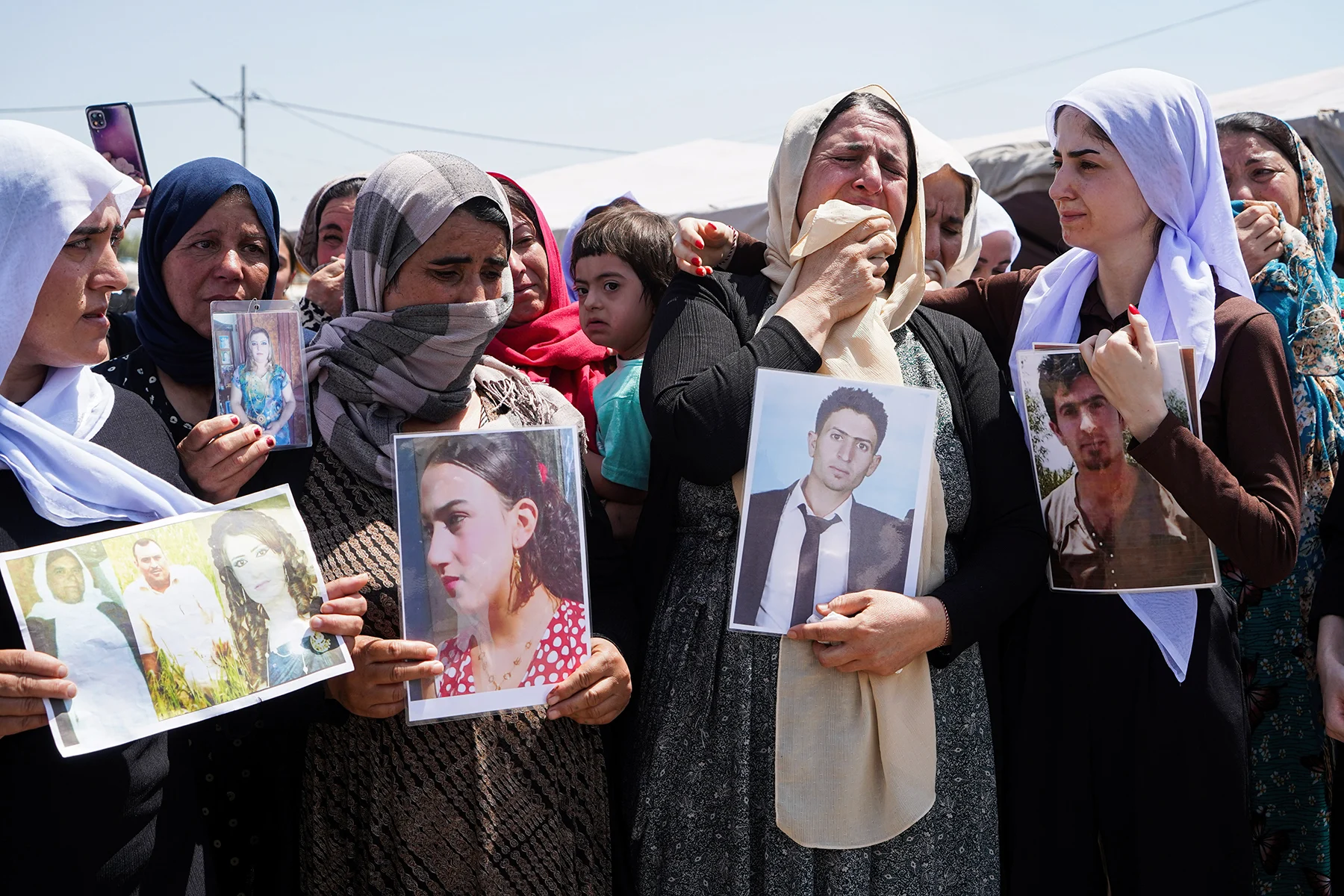
Yazidi Genocide- Unknown To Many
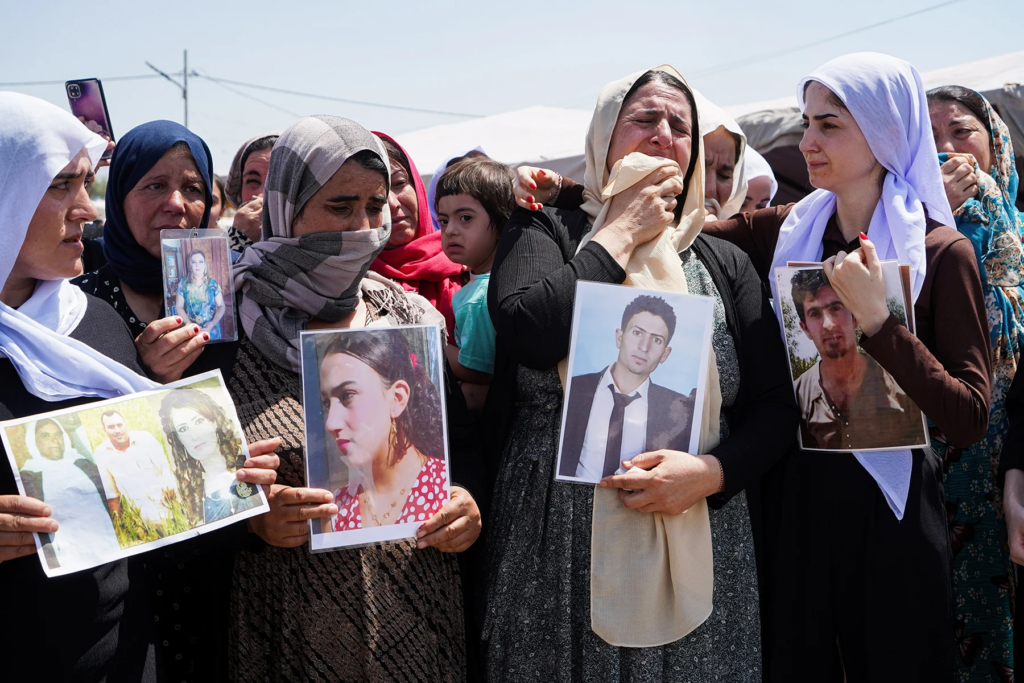
With so much happening in our current world, it is easy to miss much of the past- especially if our little bubble was not directly ‘popped’ by events. One such event may well be the Yazidi Genocide from 2014-2017. And although the oldest pupils may only have been 7 when it first began, which would have been very young to have known, lots of us are now old enough. Reflecting back on incidents that have changed the world- or parts of it- I believe is very important. How can we understand the present if we do not know what it is shaped by? I had never heard of the Yazidi Genocide until I’d begun reading ‘There are Rivers in the Sky’ by Elif Shafak, and it shocked me that I hadn’t even heard a whisper of the murdered 5,000 or the trafficked 10,800 women and girls.
The Yazidis are a group of Kurdish monotheists, from parts of Iraq, Turkiye, Syria, and Iran, whose views are very similar to both Christianity and Islam. They worship Malak Taus, one of the seven great spirits they believed emanated from Yasdan, their most supreme being. Malak Taus is the ‘Peacock Angel’ who acts on the divine will, and is similar to early Christianity’s symbol of the peacock being immortal. However, another name for Malak Taus is Shaytan, which is Arabic for devil, which lead to the unjust labelling of the Yazidis being ‘devil worshippers’. This stigma built up and brought mistrust against them.
Then, in 2014 ISIS (a militant terrorist organisation) attacked the homeland, Sinjar, of the Yazidis, and began the genocide. 400,000 people fled in terror for their lives, with many escaping to Mount Sinjar as they believed it to be Malak Taus’ home and so held it in great honour. However, ISIS forces surrounded the mountain, trapping over 10,000 people without food and water. This atrocious act brought international attention to the genocide, providing some relief for few Yazidis. In the meantime, ISIS began trafficking Yazidi women and girls to be sex slaves, raping and foully mistreating them in the most inhumane ways. Girls as young as 6 were sold to ISIS soldiers who could be at least 50 years older than them. Whilst these acts by ISIS were abhorrent in the first place, another part was that the worst fate for a Yazidi was to be removed from their community, as it meant their soul could never pass on, leaving them stuck. Therefore, with the Yazidi peoples executed, sold across ISIS forces or forced to flee, it was pure agony within their religious beliefs too.
However, with US intervention (air strikes) ISIS were defeated territorially in Sinjar by 2015, with Iraq declaring victory over ISIS in 2017. From there, humanitarian aid and the US and UN have helped with the resettlement of this community, with 150,000 returned to their homes by 2024. Whilst many were able to go back, 200,000 now reside in Germany, and many of the abducted are still missing. Almost 12 years later, many of the Yazidis are still struggling to manage with the effects of the massacre.
On reflection, while this may be known to the newsreaders of 2014-2017, to many this horrific genocide might be unknown. If you are ever not quite sure what to do with yourself, maybe take a look at past events, both positive and negative, and see how they’ve influenced our present world?












Post Comment
You must be logged in to post a comment.