
Getting Through the Gloomiest Day of the Year – Hebe M
After the excitement and buzz of Christmas, many people begin to feel a little low as we enter a new year. New Year’s resolutions, winter weather and returning to school are all very present in our minds. This combination often leads to a rather miserable state. On what is dubbed the most miserable day of the year, it feels only fitting to explore this topic and how we can overcome it.
Today, Monday 19th January, marks ‘Blue Monday’ typically the third Monday of the year. Sorry to anyone born on the calculated day, you might not get quite the same levels of excitement from people as in previous years. The negative themes surrounding this day stem from gloomy weather, financial pressure and general post-holiday blues. Originally, the term was coined in 2005 by Cliff Arnall, a former Cardiff University health psychologist. Although, not backed by scientific evidence, Blue Monday highlights the collective struggle many people face at this time of year. Initially, a publicity stunt, this day has taken off in the media and is now often a day for raising awareness surrounding mental health.
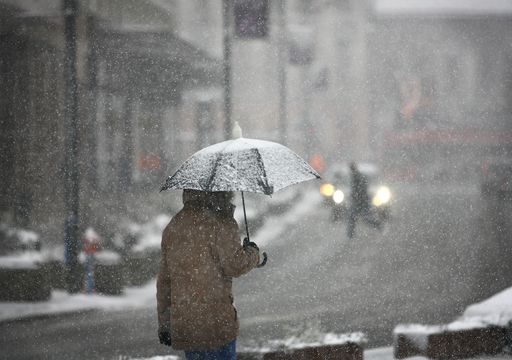
Biologically, there is less daylight, which decreases the serotonin (our mood booster), and disrupts melatonin levels (the sleep hormone). This affects your circadian rhythm (your body clock) and combined with reduced Vitamin D exposure, can have a noticeable impact on mood. In more extreme cases, these factors contribute to Seasonal Affective Disorder (SAD), a severe form of winter depression. I’m sure the biologist can explain this far better than I can. It has also been clear to see (particularly last week) that the weather has perfectly mirrored the January blues with gloomy, wet and cold conditions. These conditions quite quickly create negative mindsets, as people stop wanting to go outside, despite the benefits of nature. A perfect example of pathetic fallacy for the English students among you.
From a financial perspective, there are stressed caused by the cost of Christmas. Approximately 39% of the UK overspend during the festive period, this can lead to debt, with 22% of adults needing to borrow more money in early 2023 after Christmas. Research also suggests that between 43% and 52% of people, within the UK, consider January the hardest month financially. A longer five week gap between pay checks only adds to the challenge of covering daily expenses. Meanwhile, energy bills rise as we try to heat our homes during the darkest part of winter. As mentioned earlier, the post-holiday comedown after the excitement of Christmas can leave many people feeling lonely. It can be feel especially hard to return to the routine of work or school after a restful, social break surrounded by people you love.

There is also a pressure around New Year’s resolutions, particularly in the age of social media, where influencers confidently declare that their year will be transformative thanks to a new mindset or routine. In reality, a lot of this is exaggerated, yet it still contributes to feelings of failure when our own resolutions wobble. Dry January, for instance, can cause a short term dip in mood while people adjust, but by weeks two to four, 70% report better sleep and 66% feel more energised, showing that not all resolutions end in disappointment. Still, another topical day linked to the ‘January blues’ is ‘Quitter’s Day’, the second Friday of January, known as the point when most people abandon their new goals. Around 23% quit in the first week, and around 64% dont make it to the end of the first month. While some people fully embrace the ‘new year, new me’ attitude, many find it difficult to make such a dramatic shift. If you want that sense of achievement by the end of the year, try setting more realistic goals, the kind you’re genuinely likely to reach.
This year I decided to beat the January slump. Instead of suffering with the majority, I am focusing on staying optimistic. Here are a few of my tips to get through this challenging season:
- Although it’s cold, going outside is crucial for lifting your mood, so wrap up warm and have a quick stroll.
- Limit time on social media. I know it’s easier said than done, but stepping back from negativity- filled feeds can make a real difference. I’ve tried this over the past two weeks and have already seen a noticeable improvement in my mood.
- Similarly, try to avoid negativity in general. If this includes friends, you can support them by gently showing them the positive side of things.
- Set smaller goals for yourself. If big New Year’s resolutions feel too intense, small daily aims (like reading 10 pages a day) can still offer a satisfying sense of achievement.
- If you have any Christmas money left, treat yourself to something small (edible treats are always a solid choice). You could even buy a colourful new scarf, it might encourage you to venture outside more. Personally, I’m a firm believer that the more scarves you own, the happier you’ll be.
- And finally, if you’re still struggling, don’t hesitate to reach out for support. Speak to friends, staff or a peer mentor such as myself.














Post Comment
You must be logged in to post a comment.