When Power Challenges Law: The Venezuelan Invasion – Elise L
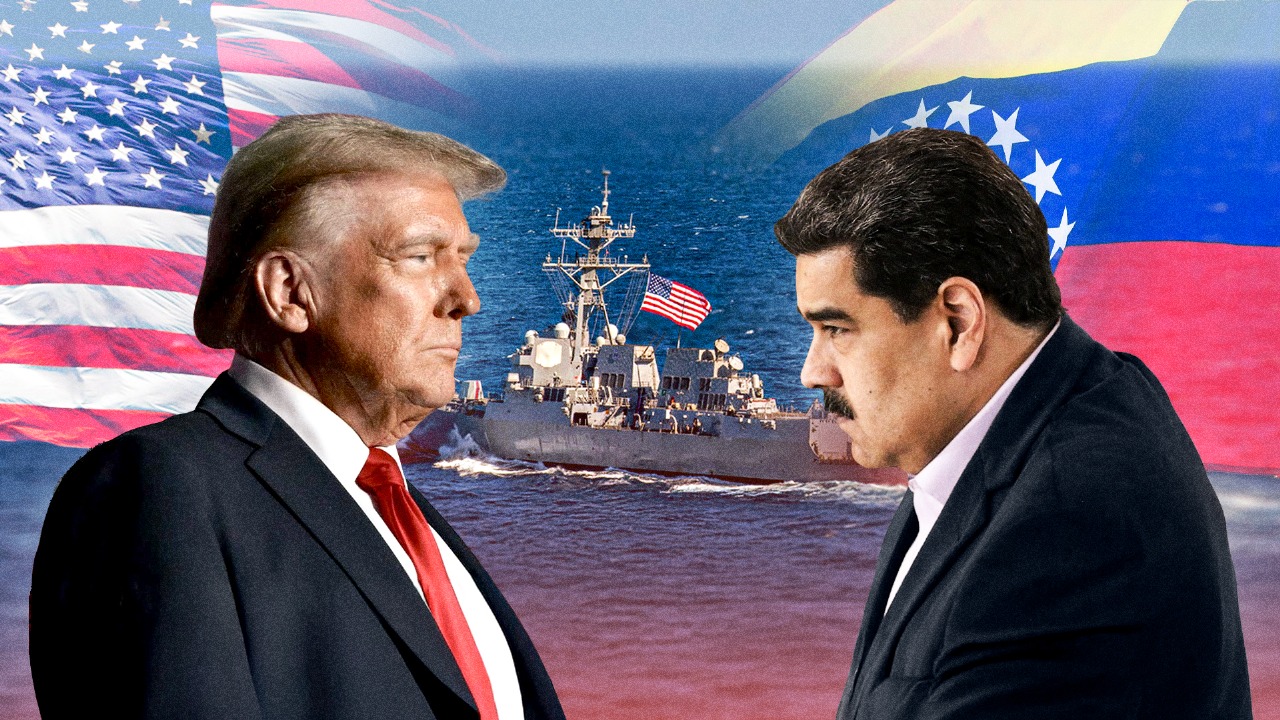
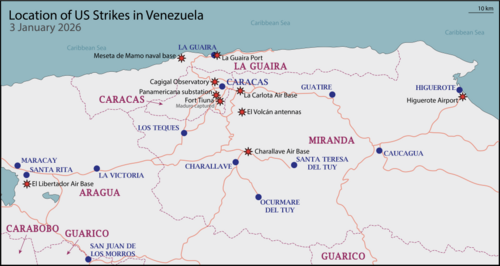
In the early hours of 3rd January 2026, the United States military launched a large-scale operation against Venezuela, carrying out airstrikes in multiple military targets across the capital, including Caracas and other surrounding regions. Explosions were reported shortly after 02:00 local time and low-flying aircraft were seen over military facilities like Fort Tiuna and La Carlota air base, described by the U.S as a precision strike to suppress air defences and enable a targeted extraction mission. By that end of the operation, Venezuelan President Nicolás Maduro and his wife, Cilia Flores, had been taken into custody and flown into New York City to face federal charges.
While the events of that morning were significant, their broader importance lies in the challenges they present to established norms of international governance. At the centre of the debate is state sovereignty; the principle that each nation possesses the right to govern its own affairs without external military interference. International law generally prohibits unilateral military actions to remove a foreign leader, even when that leader is widely criticised for corruption, repression or human rights abuses. This rule helps prevent conflict between states and protects weaker nations because, if a powerful country claims the right to seize another nation’s leader or intervene without clear legal authority, the rules become subjective and political rather than legal. Therefore, other states mate feel justified in acting similarly. Such a precedent threatens global stability and undermines the protections many smaller nations rely on.
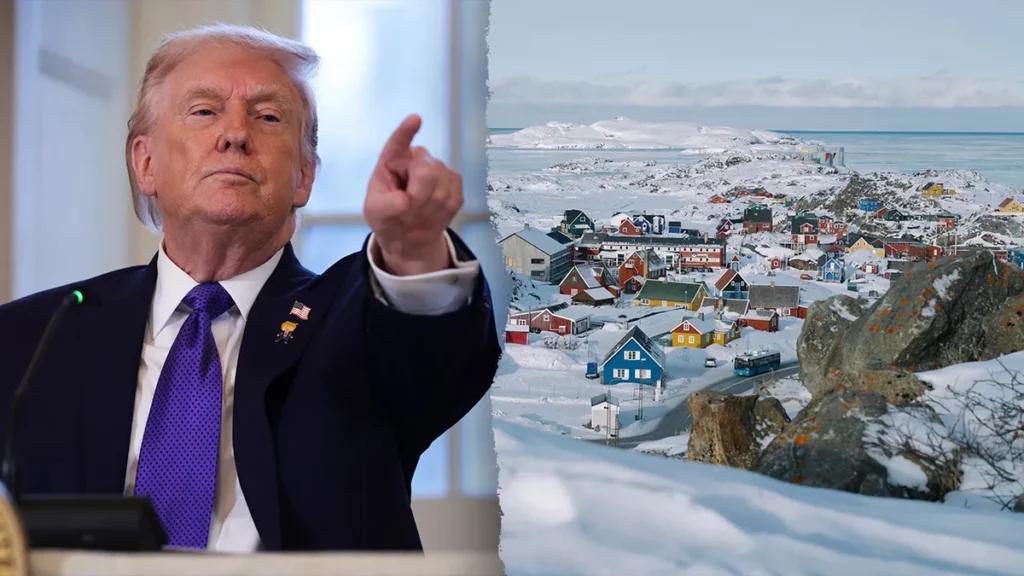
The Venezuelan operation also highlights wider geopolitical concerns. Strategic regions such as Greenland, labelled by Trump as being ‘very important to the United States’ due to its location for potential trade and suggested oil resources, and growing tensions with Iran show how individual actions can influence global security far beyond original conflicts.
The January strikes therefore serve as a lens through which we can examine the exercise of power in global politics and also helps to pose a very important question: how can the international community ensure that powerful nations act within the bounds of law while pursuing their own ‘strategic goals?’















Post Comment
You must be logged in to post a comment.