
Teacher’s fav childhood books- Genevieve
Mr Roe: The Twits
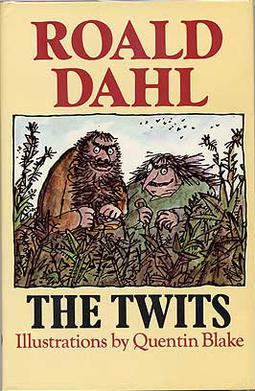
A fantastic well-known book- but should his girlfriend watch out; has Mr Roe been planning something since his childhood??! More importantly, this is a very funny, slightly chaotic book and a great choice. Also, to clarify this is most definitely the book ‘not the film- that’s an abomination’ as Mr Roe says in his own words. I have to say, I haven’t even bothered to watch it I’ve heard so many bad things about it…
Mrs Fairley: Alice in Wonderland
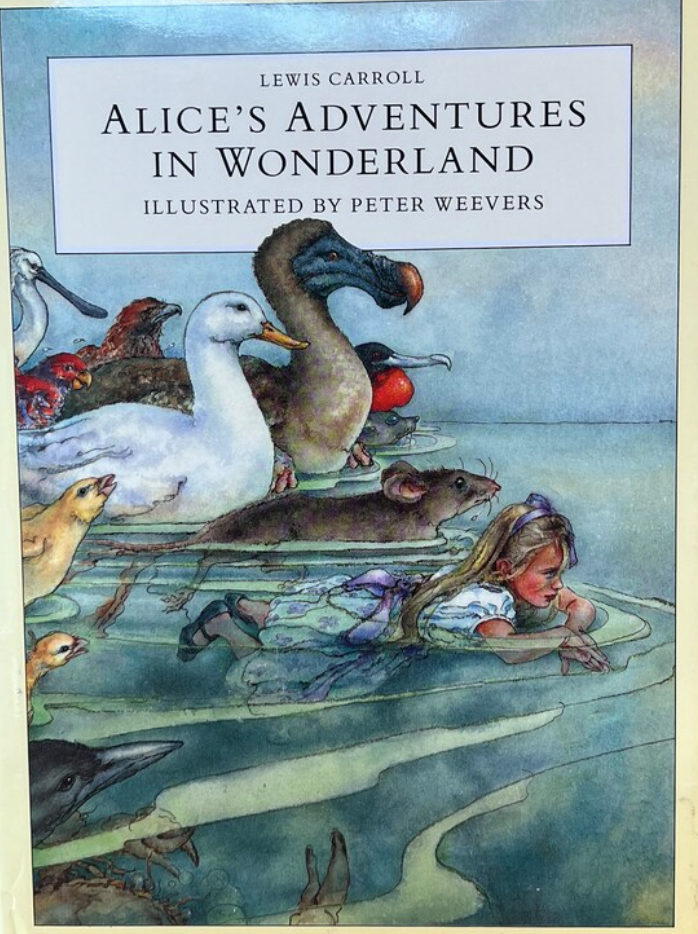
With an insightful comment from Mrs Fairley that the book ‘treated imagination as something powerful, not silly. It showed a world where curiosity mattered more than rules, and where confusion wasn’t a failure but a part of the adventure.’ Alice in Wonderland never fails to disappoint with its bizarre but brilliant adventures- maybe we should pay more attention to the message it’s trying to tell us? Though stick to a few rules at least whilst we’re still at school please!
Mrs Botley:
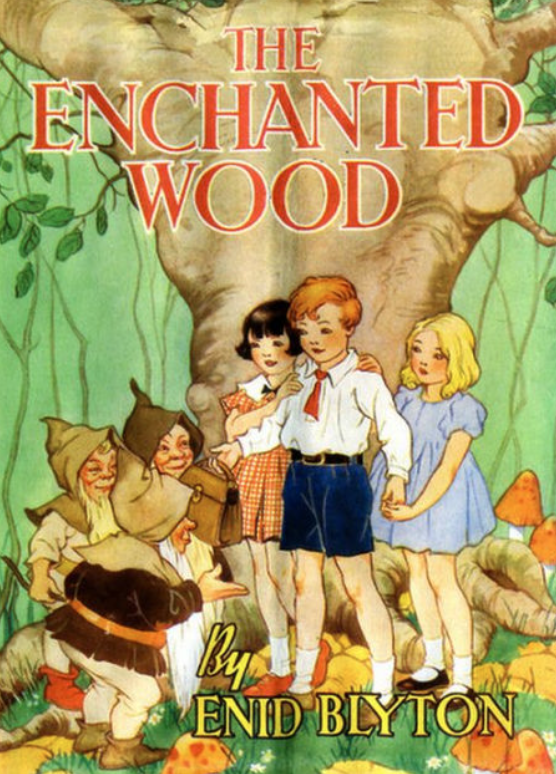
A lovely choice from Mrs Botley. The Enchanted Wood is a true classic by Enid Blyton; funny, heart warming, and adventurous. So much so that Mrs Botley even read these to her children, and my mum read it to me, and of course that Mrs Botley also loves all of Blyton’s other books, such as the Secret Seven. A lot of mischief in these books! Has any of this been brought over into real life or has Mrs Botley just been able to replicate the cosiness of Blyton in her office?
Mr Minchella: How to Train Your Dragon
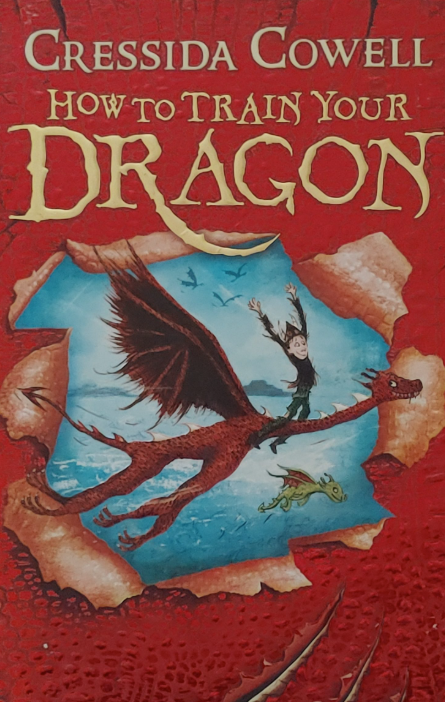
An exciting book that’s probably also many of our favourites! Very fitting given that Cressida Cowell herself came to talk at our very school. Is this secret propaganda?? Maybe this has been training Mr Minchella for his days here as sometimes teenagers can definitely be as stubborn as Toothless…
Mr Hodson: The Fall
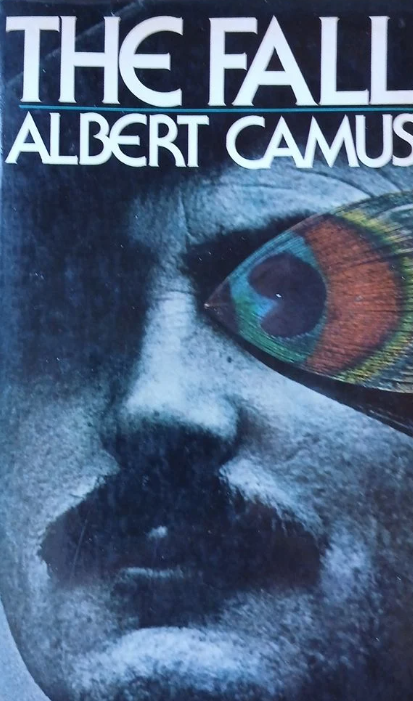
To keep himself aligned with being an English teacher, Mr Hodson has written us half an essay on this slightly more niche yet interesting fav childhood (teenage) book. Take it away Mr Hodson:
‘I have a terrible admission to make: as a child, I didn’t really like reading. In the weekly reading lesson I had as a Year 7 pupil, I was one of the pupils who read the book ‘backwards’: each week turning the pages without really paying attention to the story, then going back 10 pages the following week to see if there was anything I remembered. Concentration’s answer to Tug of War.
Reading is a crucial part of my life now. I suppose that is partly because it is central to my subject, a subject that supports rich intellectual development. The main reason I value reading though, is the psychological benefit. Life will never be without anxieties and uncertainties and a good books represents total escape. As long as you know ‘how to read’…
Of course, you all know ‘how to read’: look at letters , decipher words, scan sentences – read. I could do that in Year 7, but it was only in Year 12 that I really learnt ‘how to read’: to pick up a book and simply hear it – every sentence, every word – and disappear into the narrative voice as the author intended. This skill took some time to develop for me, but there is one book I really remember losing myself in. It was ‘The Fall’ by Albert Camus and I read it in a weekend (though it is quite short, to be fair).
Camus is a master of vivid first person narrative voices. His novels often give insight into characters who question the way we engage with the world and the people in it. In essence, ‘The Fall’ is the story of man who believes he has mastered the art of the successful life, becoming a revered Parisian lawyer, but whose story descends into self-induced chaos and catastrophe; a tale of ambition and self-destruction that poses deep questions about the nature of the self and the nature of society. But that’s not the point for this article.
It’s a story with a strong narrative voice. It pulled me in. It helped me see the magic of reading, and reading has been so valuable ever since.’
(Mr Terry: Hairy Maclary)
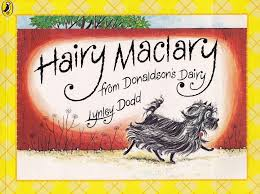
An additional book from Mr Terry- although this was his favourite one to read to his children rather than to read as child himself!! This book always had a hilarious tail- sorry- tale inside and definitely a fun one to listen to.






Post Comment
You must be logged in to post a comment.